
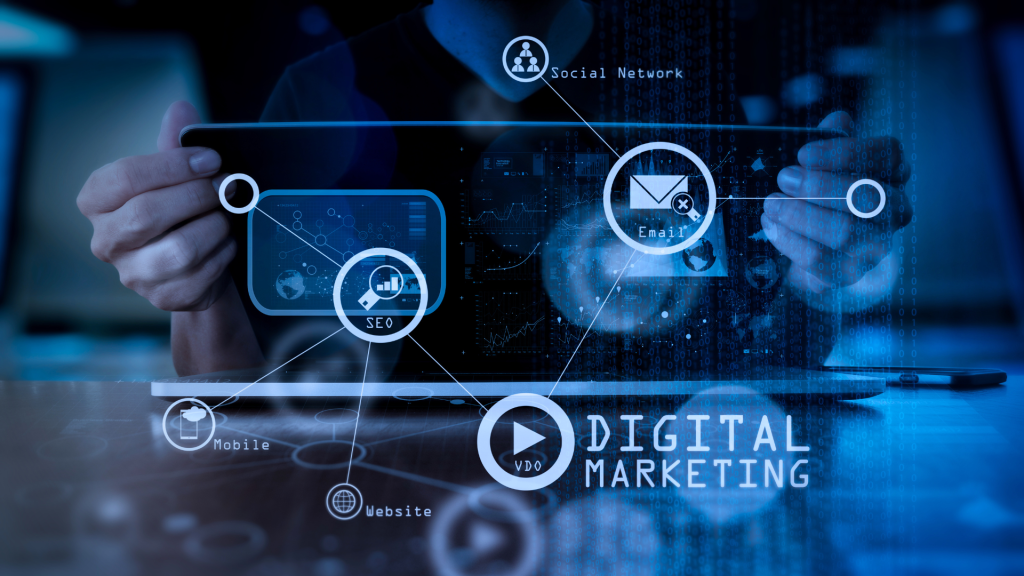
Digital Marketing: Your Future Online Market
In today’s digital age, the online world has become a bustling marketplace. It’s a place where businesses, big and small, connect with customers, share their products and services, and build their brand. As a beginner, understanding the concept of digital marketing is like having a roadmap to success in the online marketplace.
What is Digital Marketing?
Digital marketing is like a toolkit of strategies and techniques used to promote and advertise products or services on the internet. It’s a way for businesses to reach their target audience, connect with potential customers, and grow their online presence. Here are some key types of digital marketing and their benefits:
1. Search Engine Optimization (SEO)
Search Engine Optimization, or SEO, is like a secret code that makes your website more visible on search engines like Google. It involves strategies and techniques to improve your website’s chances of showing up when people search for things related to your content. By optimizing their websites, businesses can improve their chances of being found by people searching for their products or services.
Pros:
- Increased Visibility: Good SEO helps your website appear higher in search results, making it easier for people to discover your content.
- More Organic Traffic: SEO can bring in organic (non-paid) traffic, which often leads to long-term success.
- Better User Experience: SEO often involves improving your website’s structure and content, creating a more user-friendly experience.
Cons:
- Time-Consuming: SEO isn’t a quick fix; it takes time to see results.
- Constantly Changing: Search engine algorithms change, so you’ll need to keep updating your SEO strategies.
2. Content Marketing
Content marketing is like storytelling. It involves creating valuable and relevant content such as articles, blog posts, videos, and infographics to engage and educate your audience. The goal is to provide information that your target audience finds useful and interesting. Content marketing helps build trust and credibility, ultimately leading to customer loyalty.
Pros:
- Builds Trust: Providing valuable content can build trust and credibility with your audience.
- Boosts Brand Awareness: Good content can increase your brand’s visibility and recognition.
- Educates and Informs: Content marketing allows you to educate your audience about your products or services.
Cons:
- Requires Consistency: Consistent content creation is necessary to maintain engagement.
- Results Take Time: Like SEO, content marketing is a long-term strategy.
3. Social Media Marketing
Social media marketing is like a digital megaphone. It involves using social media platforms like Facebook, Instagram, and Twitter to connect with your audience. You can post content, engage with users, and promote your products or services. By engaging with users and sharing content, businesses can increase brand awareness and customer loyalty.
Pros:
- Increased Exposure: Social media can help your content reach a broader audience.
- Builds Relationships: Engaging with your audience on social media allows you to build relationships and trust.
- Cost-Effective: It can be a cost-effective way to promote your brand and reach potential customers.
Cons:
- Time-Consuming: Managing social media accounts and creating content can be time-consuming.
- Algorithm Changes: Social media platforms frequently change their algorithms, affecting reach.
4. Email Marketing
Email marketing is like sending personalized letters to your customers. It involves sending targeted emails to potential customers or those who have shown interest in your business. The goal is to nurture leads, build relationships, and promote products or services.
Pros:
- Direct Communication: Email marketing allows you to communicate directly with your audience.
- Nurtures Leads: You can use email marketing to nurture leads and guide potential customers through the buying process.
- Cost-Effective: It’s a cost-effective way to reach your audience.
Cons:
- Can Be Seen as Spam: If not done correctly, email marketing can be seen as spam, and your messages may go unread.
- Requires Permission: You need permission to send emails to individuals, as unsolicited emails can lead to legal issues.
5. Pay-Per-Click (PPC) Advertising
PPC is like an online auction for visibility. Businesses bid on keywords, and their ads appear at the top of search engine results. They pay a fee only when someone clicks on their ad. PPC can drive targeted traffic to a website and increase conversions.
Pros:
- Quick Results: PPC can provide quick results, making it ideal for short-term promotions.
- Control Over Budget: You have control over how much you spend on each campaign.
- Targeted Advertising: You can target specific keywords and audiences, ensuring your ads reach the right people.
Cons:
- Costs Can Add Up: While you have control over your budget, costs can add up quickly, especially for competitive keywords.
- Competitive: Popular keywords can be highly competitive, making it expensive to bid on them.
6. Influencer Marketing
Influencer marketing is like having a trusted friend recommend a product. Businesses collaborate with influencers who have a dedicated and engaged following. These influencers promote the product or service to their audience, helping businesses tap into new markets.
Pros:
- Authentic Recommendations: Influencers have a strong bond with their followers, making their recommendations more authentic.
- Reach New Audiences: Influencer marketing can help businesses reach audiences they might not have access to otherwise.
- Credibility: When influencers endorse a product, it can lend credibility
Cons:
- Costly Collaborations: Partnering with influencers can be expensive, depending on their reach and engagement.
- Finding the Right Fit: Identifying the right influencer who aligns with your brand can be challenging and time-consuming.
Understanding digital marketing is not just about knowing the latest trends; it’s about positioning yourself for success in the digital marketplace. Each method has its advantages and drawbacks, and finding the right mix for your goals and resources is the key to success. Digital marketing allows you to connect with your target audience, build trust, and promote your products or services effectively. Here are some key benefits:
- Online Visibility: By utilizing SEO, businesses can improve their online visibility, making it easier for potential customers to find them.
- Engagement and Loyalty: Content marketing and social media marketing help build trust and credibility, encouraging customer engagement and loyalty.
- Direct Communication: Email marketing allows businesses to communicate directly with potential customers, nurturing leads and building relationships.
- Targeted Advertising: PPC advertising enables businesses to target specific keywords and audiences, ensuring their marketing efforts reach the right people.
- Authentic Recommendations: Influencer marketing leverages the trust influencers have with their followers, making it more likely that their recommendations will be well-received.
In your real-life journey, understanding digital marketing opens doors to new opportunities, whether you’re a business owner or an individual looking to build your personal brand. It’s like having a powerful tool to navigate and thrive in the digital marketplace, allowing you to connect with your audience, promote your products or services, and reach your online goals. So, go ahead and embrace the world of digital marketing, and watch your online presence grow.